On Realizing Divine Identity
Copyright © 2011 by Daniel Rekshan
all rights reserved
Introduction
Emergent phenomena are logically and causally prior to perception, theory, and belief.
Raw, primal experience is necessary for intellectual activity.
Form must have content.
Expectation of the everyday determines mundane experience.
Theory and belief mold perception from the clay of primal experience.
Form is the limitation of content.
Emerged phenomena are dependent on theory, belief, bias.
God formed the primal human from clay, but vivified it with his breath.
The embrace of form and content births evolution, the history of transcendence.
We are more than we appear.
Experience is never mundane.
The passing of time reveals perception’s illusion.
We are more than we appear because we have forgotten who we are.
Self perception limits the phenomenon of self.
Materialistic theory causes the appearance of spirit to be ignored and denies our divine self.
Theistic belief causes the appearance of spirit to be outside of spacetime and denies divinity in the everyday.
We exist in a prison of perception, of the self, built by the self.
Perception limits phenomena, which in turn defines perception.
Everyday experience is a closed system, feeding upon the memory of primal experience.
Goal
The process of identification with divinity is a simple, straightforward, and stepwise process that must occur on all levels of the self. While the whole being becomes engaged, most of the action must occur in the intellectual and egoistic self. The intellectual ego observes phenomenon, develops perception-shaping theory, and determines the volition. Development on levels above and below this level, such as through dreaming or religious devotion, must eventually achieve resonance with ego through roundabout means that drain the developmental motion of its initial energy.
In contrast, development on the egoistic level simply consists in allowing phenomena to emerge without strong limitations by perception and, in turn, allow the new primal experience to transform the self. This path utilizes activities and energies familiar to the everyday, simply rearranging volition, observation, and activity in order to invite the cosmic process of creative evolution to occur within the self. Step by step, the ego meets its own limitation in primal experience, dies to ignorance, and is reborn more enlightened, compassionate, and beautiful.
Purpose
This little book is a collection of ideas, tools, practices, and maps to be used by the everyday self in order to step toward identification with divinity, with the true self. They have been passed along through word, image, and dream. I have gathered them along my way and their assemblage now resembles a whole. I offer them in a simple and short expression as a guidebook for the beginner, to be picked up when one cannot find a way out of the prison of self and to be discarded before the first step out.
They are means to an end and must be vivified with pure motivation. In themselves, they are not presented as true, useful, or beautiful. Truth, beauty, and utility exists as experience in the emergent phenomenon. Judge them not in the book but rather in the heart and mind in practice. Your motivation will determine their effectiveness.
Motivation
The spiritual world is full of exotic places and persons, exciting and attractive to one trapped in physical matter. It is a world of danger, as well as beauty, inhabited by angelic creatures as well as demonic primitive forces. Our prison is one of perception, not matter. Use of this collection to simply expand perception, without the necessary identification with the emergent phenomena, will be at least an expansion of the prison and perhaps a large step toward danger. Practice with impure motivation is an invitation to the darker forces. However, when they are used as a vehicle for identification with divinity, they are effective and exotic spiritual phenomena will emerge as a matter of fact.
The motivation to identify with the divine takes as many forms as there are beings. One may seek greater truth and knowledge, to manifest greater beauty or compassion, enlightenment for oneself and others, to be free of ignorance, or simply to continue personal development or growth. Every being has a purpose, every being divine.
Ideas
Introduction
Ideas and beliefs are the easiest means for the expansion of consciousness. They are the foundation of perception and they limit the emergence of phenomena. Clairvoyants see spirits, but those who don’t believe in the possibility rarely see them. If you believe that all phenomena are reducible to their physical components, then spiritual development must take place solely through morality and not through spirit.
The power of ideas on the path is two fold. First, certain ideas stop perception from automatically limiting phenomena. For example, the idea that science progresses through observation and paradigm revolution will prevent materialistic dogma from cutting off paranormal events in consciousness. Second, certain ideas encourage novel experiences and the expansion of perception. For example, the idea that events unfold according to karmic laws may reveal a realm of previously unknown causes. The idea that the self exists on more levels than the physical admits the possibility of spiritual communication.

About the Self
Recollection
The soul once existed in a world of knowledge. When the soul entered the body, it forgot its knowledge and true nature. It begins life in illusion. Knowledge, beauty, and compassion are acts of recollecting the true nature. The self uses recollection as a vehicle to travel from illusion to reality.
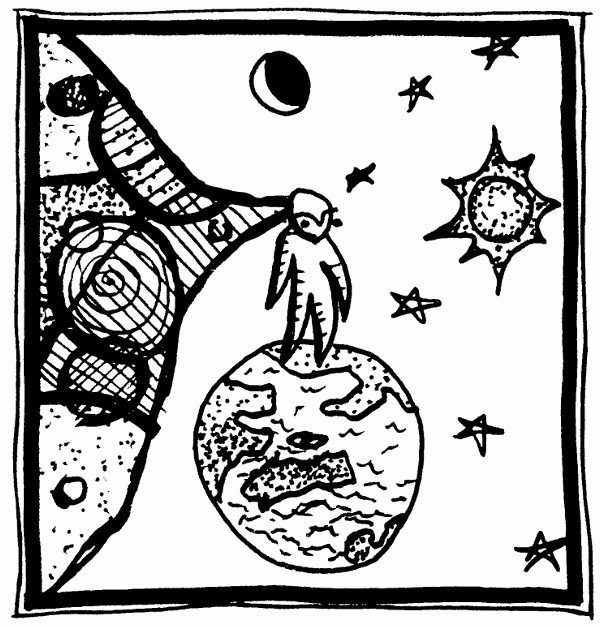
Holistic Expression of Cosmos
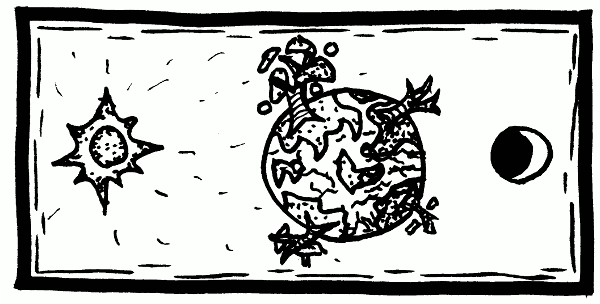
The self is a mirror of the cosmic process. Spirit entered matter and becomes like nothing and transcends itself, thereby generating creation. It comes to know itself through its process. The story of Christ is the story of enduring creation.
The individual participates in that story because of its very existence. There are two paths it may take. First, it may follow the division of Spirit into matter and unto death. Second, it may transcend matter and death in order to generate creativity and embrace the source Spirit. The self-cherishing ego dies to self in an act of compassion and the individual emerges a new being, identified with divinity.
Self as Spirit Manifest
The individual is a spark of divinity, an original manifestation of Spirit, whose history may be traced back to the moment Spirit decided to divide itself into matter in order to know itself. The individual spirit inhabits several vessels and vitalizes them in their utilization. Although the vessels are usually referred to as distinct bodies, they are actually a single spectrum of interrelated phenomena.
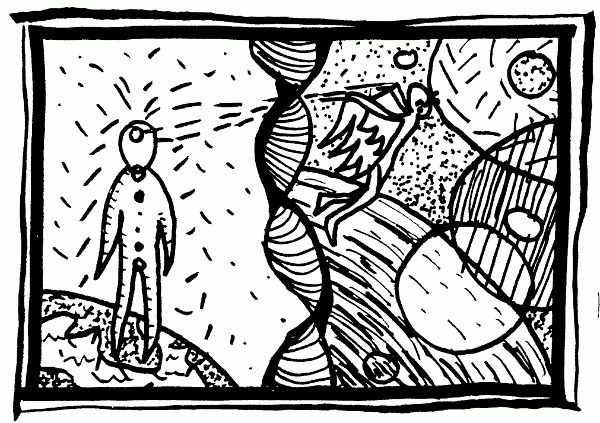
There are three vehicles through which our spirit manifests and two vessels in which it resides. Each vehicle has a specific world or plane that is unique to it.
Vehicles
The first and most familiar vehicle is the physical body. Most perception is structured by the form of the physical body. It is obviously utilized in physical motion and exercise. Its world is that of matter.
Second is the energetic body. It is closely related to the physical. Its perceptions involve some emotion, intuition, and extrasensory. We directly perceive it through the activity of our chakras. It is the hidden force behind many physical and extra-physical actions. Many paranormal phenomena such as telepathy or healing occur through this body. It is strengthen specifically through energetic meditation and generally through our mode of interaction with the world. Its world is that of energy, the hidden aspect of matter.
Third is the astral body. The astral body is not actually a single body, rather it is many and stacked like Russian dolls. It denotes the vehicle used within consciousness itself, whether individual, collective, or cosmic. There are many layers of spirit and each requires its own vehicle. Most obviously, the astral body is used in dreaming. Material spacetime is not its natural world, so it may detach from the physical/energetic bodies and enter the vast world of consciousness. It is developed through meditation, dream work, and astral projection.
Vessels
The primal Spirit resides in two vessels within every individual, which form a divine ratio.
First, spirit resides in the eternal now, the ever-present general act of observation. It is given to every being and cannot change.
Second, spirit resides in the intellect, which may be regarded as the agent of causation within the various bodies. It consists in the synthesis of knowledge and volition. It operates each body through regulating their perception of the cosmos and determining responses and activity through intention. It may change through time and outside of time. It is equivalent to the immortal soul and reincarnates into matter until divine identity is realized.
Experience
As Perception
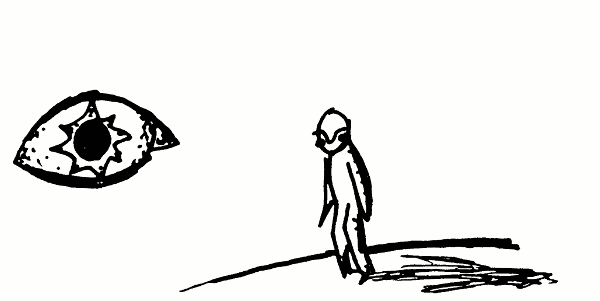
Experience is perception in consciousness. It is the relationship of particular things and events with the eternal observer. Perception divides into form and content. Content is sensation through any of the bodies such as sight through eyes, emotion through the subconscious, clairvoyance through chakras. Form is the intellect’s manifestation in the respective plane, such as theory for the physical, personality for the subconscious, archetype for the collective unconscious, and beyond.
When a vehicle is neglected, experience is ignored. Most people must actively strengthen their energetic and astral bodies before they experience the extrasensory realms.
Objectivity v. Subjectivity
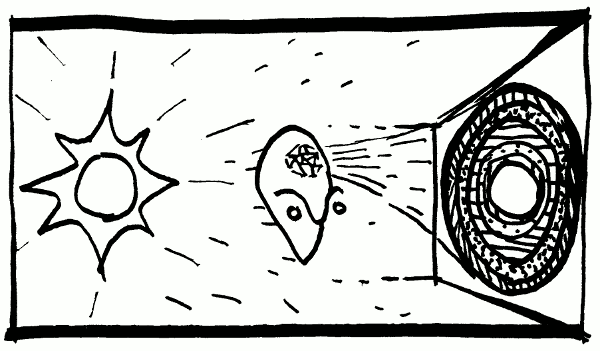
Questions of the objectivity of events diminish as the modes of experience increase. The epistemological priority of objective occurrences loses meaning outside of Newtonian physics. Events may be completely subjective at a cosmic level.
Form and Content of Events
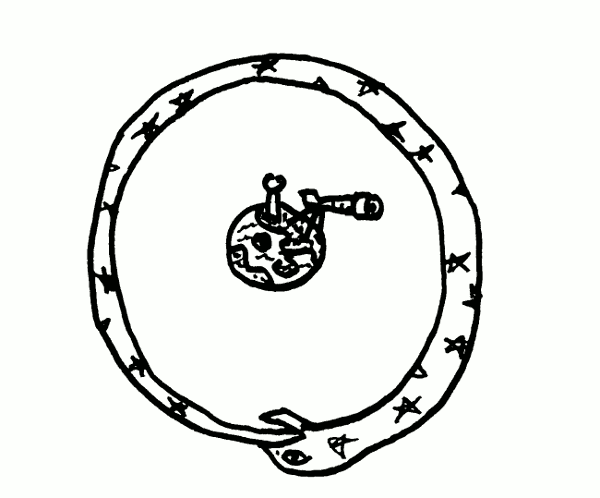
The unfolding of occurrences may be divided into form and content. The content may be matter, energy, vitality, spirit, and so on. The form may be physical laws, energetic laws, karmic laws, and so on.
A knowledge of these laws facilitates the discernment of reality.
Cosmic Experience
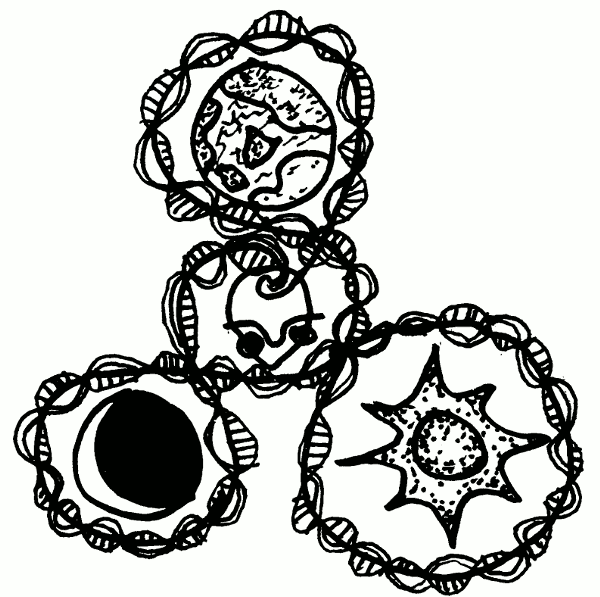
The cosmos is infinitely more complex and deep than can be imagined. There are an indefinite number of planes, worlds, and beings. The individual is one of many. Consciousness spans the entirety. Cosmic infinitude is immediately assessable through our divine aspect. The individual is truly a microcosmic aspect of the macrocosm.
Practice
Introduction
Practice is the only way of development for the slow and steady. There need not be moments of genius, inspiration, or incredible devotion. There need be only a deep desire to develop, to realize one’s own divine nature. Slow steps of realization slowly transform the world from the material prison of self to an open, luminous, beautiful, and compassionate occurrence. Daily practice is the manifestation of motivation and its fruition is the realization of divine identity.
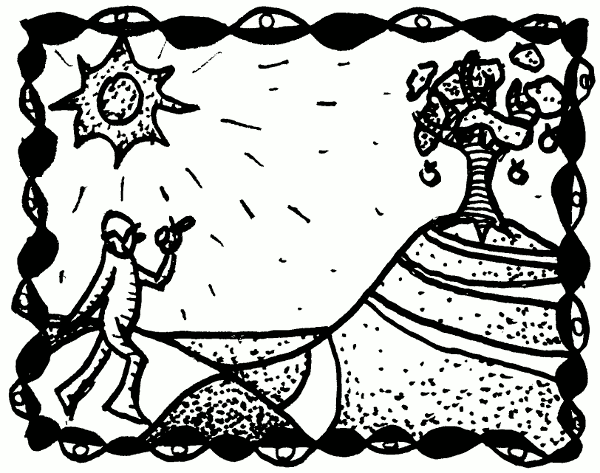
Mediation
Meditation is the heart of practice. It creates a physical arena in which the energetic, astral, and intellectual bodies may be encountered. Meditation takes several forms: concentration, analytic, and trance. Concentration strengthens the various vehicles and bodies, as well as increases the manifestation of the eternal now, divine spirit. Analytic strengthens and expands the intellectual body. Trance strengthens the energetic and astral bodies, while acting as a gateway to those vehicles.
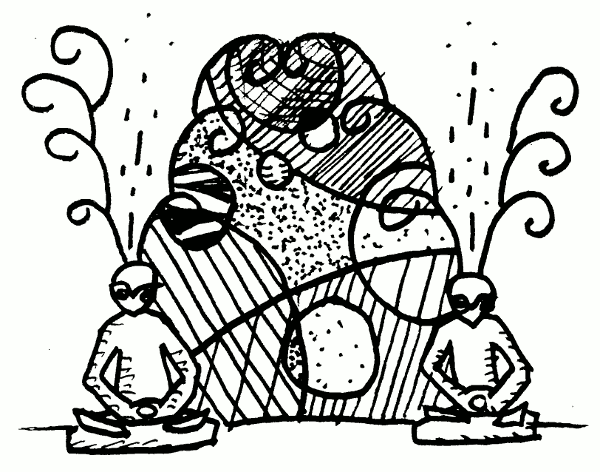
Posture
Physical posture is the foundation of meditation simply because we are opening up a physical spacetime through which to encounter the beyond. While many aspects of posture are a matter of taste and ability, there are two initial principles and two general poses.
The first principles is that the spine must be straight in order to fully utilize the energetic body, which in turn, vitalizes any astral or intellectual event.
Second, the posture must be such that it may be held without much wavering or pain for the duration of the intended meditation, otherwise it becomes an obstacle rather than a means.
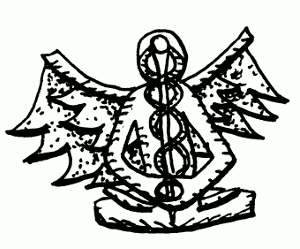
Sitting Pose
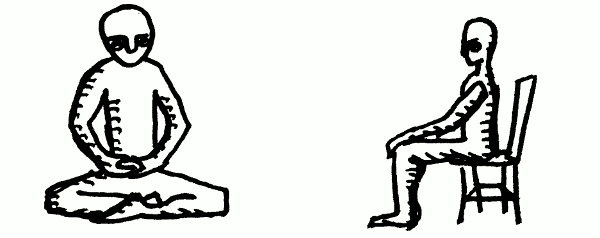
The first main pose is the seated pose. It is used in concentration and analytic meditations.
One may sit cross legged on the floor, with a small cushion supporting the bottom. If possible, the knees should touch the floor to form two legs of a tripod. In order, from least to most stable: the legs may be set one in front of the other, one foot may rest on the opposite thigh, or both feet on opposite thigh. The physical body needs to adapt to each pose, so begin with what is available and, through daily practice, work toward stability.
One may also sit in a chair. The feet should make contact with the ground. The spine should be straight and not rest on the chair back.
The hands may be folded in the lap or set on the knees, a specific mudra may be used depending on taste.
Laying Pose
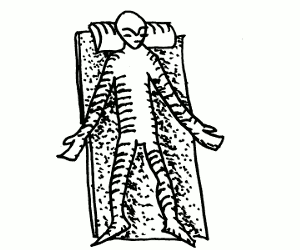
The second main pose is the laying pose. It is used mostly in trance and some analytic meditations. One should lay on the floor with minor padding under the whole body and a thin pillow to support the head. The spine should be straight. The arms should be relaxed several inches from the body and the palms may face up or down. The legs should be several inches apart and the feet relaxed.
Concentration
Concentration is the foundation of most spiritual development. Many spiritual phenomena simply dissolve when one loses concentration. Phenomena must be held in relation to the intellect/causal body in order for experience, creativity, and development to occur. When the relationship is relaxed, the subtle motions of spirit simply float away from real observation into fantasy and darkness such that they lose their cause of being, which is the intellect. Concentration strengthens the intellect in itself, but also familiarizes it with itself such that it may manifest more and more powerfully in perception.
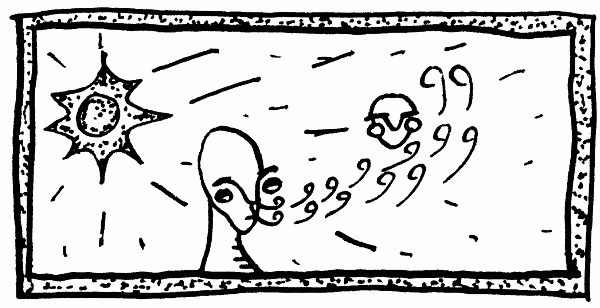
Simply sit in the sitting pose and concentrate the mind on one object. The breath, as it enters the nostrils or in the pulsation of the stomach, is generally chosen as the object. Concentration on the breath at those places has beneficial energetic responses.
Analytic
The breath is a beautiful metaphor for spiritual development. However, any object may be chosen. Some objects have specific effects on the various vehicles. For example, concentration on sounds such as mantras are immensely powerful. One may also concentrate on an image. Works of holy art, a candle flame, one’s own image in the mirror, and so on are particularly powerful.
The mind will invariably wander and gets caught up in fantasies. The work of concentration meditation is bringing the mind back and holding it there. The process of departure and return familiarizes the mind with itself, thereby facilitating its greater manifestation in perception.
It should be performed everyday for a period of time that is just longer than comfortable. The length of meditation should grow with the strength of concentration. Special attention and effort should be given to this meditation because it is the foundation for most other practices.
Primal Experience
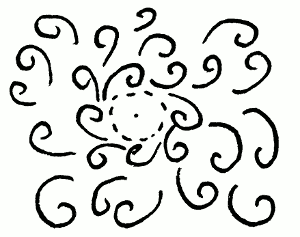
An analytic meditation is a type of concentration meditation, the object of which is a mental construction. One may meditate on a statement, expression, or visualization. It is a direct transformation of the intellectual body through concentration on an intellectual object. The mind literally consumes the foreign object, grows to accommodate the material, and causes the object to manifest in relation to Spirit through direct experience. There are many analytic meditations and guidance may be found in spiritual traditions.
An unique variety of analytic meditations occurs when one attempts to use the functions of the higher vehicles for the first time. For example, when one attempts to consciously stimulate a chakra for the first time, one’s understand must expand to embrace the existence of that chakra in order to create the cause of stimulation or even admit the chakra into perception. An analytic meditation on the chakra occurs until such understanding is assimilated into the intellect, be it through intuition, guidance, or sheer will.
Trance
Introduction
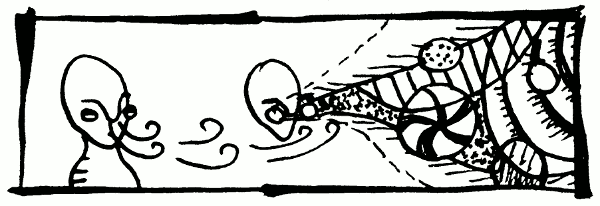
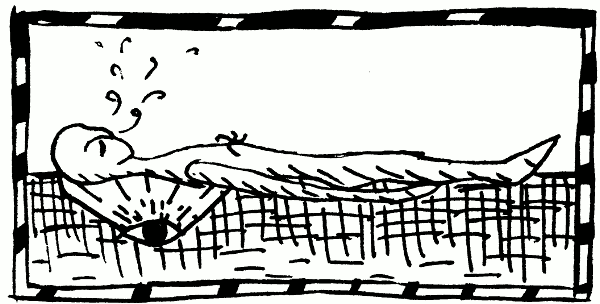
Trance acts as a gateway to the energetic and astral vehicles. It occurs in the laying posture. One must enter trance in order to transfer the intellectual consciousness from the physical to the higher vehicles. It occurs when the mind is awake, but the body is asleep. The body feels heavy and lightly paralyzed. A very similar state occurs when one goes to sleep, except that one’s concentration disperses. However, the mind is active, clear, and expansive in trance.
It will naturally occur when a state of deep physical relaxation occurs while the mind is held alert through an act of concentration.
Simply enter the laying posture and begin a concentration meditation on the breath.
Experience
One must completely relax and may do so through a variety of means. One may systematically tense and relax the muscles of the body. One may systematically call to mind all the body parts, imagine them flood with light, and then release them to rest. One may visualize walking down stairs, taking an elevator, or hiking down a pleasant path. The means do not matter, so long as a complete and deep relaxation occurs.
Once the body is relaxed, hold concentration on the breath. Trance will naturally emerge. One may recognize the completion of trance when one feels that the physical body is motionless and distant, as if you may no longer directly feel and move it, but need to perform an intermediary action such as calling the mind back to the eyes or twitching a finger.
At first, one may feel fearful, as when one performs any act of spiritual development. It is simply a fear of the unknown compounded with the fear of the limited self. Spiritual development effectively destroys the present limited self, or rather the egoistic self perception, because it is transcended through emergent phenomena and primal experience.

Energetic Action
Introduction
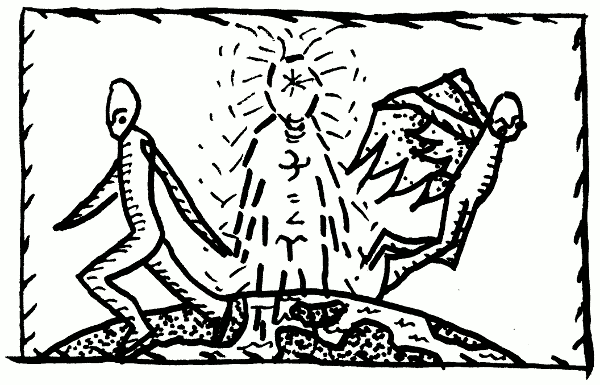
Just as the physical body consumes, transforms, and moves in matter, the energetic body does so in energy. Energy fills the cosmos. It surrounds us as an essential aspect of matter, but also in vibrations as a medium of cosmic consciousness. We experience and use such energy directly whenever we manipulate the energetic body or indirectly through using the physical or astral bodies because their actions require vitality.
The energetic body is just as complex and miraculous as the physical. Although there is staggering complexity, three simple generalizations may be made.
Three Ideas
First, the energetic body consumes and expels vitality just as the physical body. Its health and activity determines the about of energy consumed and used. Just as the body can and cannot eat certain foods, the energetic body thrives on some and is poisoned by others.
Second, the energetic body responds to intention just as the physical body. The volition travels directly through the necessary organs to produce a motion. The necessities of our environment trained us to use our physical organs. However, we rarely exercised our energetic organs. Consequently, when we first try to perform an energetic action, the volition is dispersed in the confused and incoherent motion of the body.
Third, the energetic body possess definite organs that perform definite functions. These organs are the chakras. They are occasionally but directly sensible as centers of energy on the surface of the body. One may become proficient in their use through practice. The chakras grow and strengthen through repeated use.
Tools
Intention
Just as the physical body has arms and legs that may be used as tools for a various purposes, the energetic body has components that may be used as tools.
The primary tool is not really a tool. It is intention. The energetic body is so elastic and connected with higher consciousness that it immediately responds to intention and helps the operator learn how to manifest intention, if not actually perform the activity at that time. Concentration helps to define and hold one’s intention.
Egg Sphere
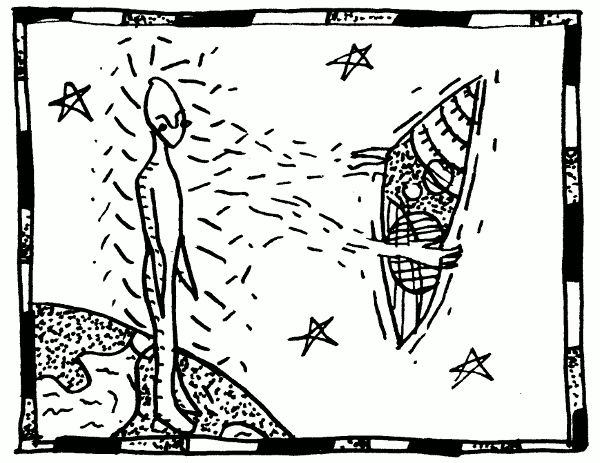
The spiritual world is as diverse or more than the physical, with beings and forms that inhabit a continuum from dark to light. While some beings are benevolent, some are so foreign to humanity that they may damage us in any interaction like we would with a fragile butterfly, and some beings are malevolent.
The energetic body has a natural mechanism of self-protection. It creates a sphere of energy, rotating from head to toe. It holds the various vehicles within itself, as the yolk of an egg holds its embryo. Nothing may pass through it without the permission of the individual. Most people never have interactions with spiritual beings because, besides the obvious atrophy of energetic organs, they never invite or permit such beings pass the barrier.
The action and boundary of the sphere is directly sensible when one is completely startled by an unexpected event. The heart chakra immediately releases a vast amount of energy into it. If one is observant, the pouring forth and redirection into the sphere’s orbit is sensible.

Communication
In our physical world, life expands everywhere it can. So too with the spiritual world. We have developed communities of humans and we may communicate with the animals on some level. So too with the spiritual world. There are communities and hierarchies of spiritual beings, of which one is a member. One may access a wealth of information, assistance, and camaraderie through the community. If one desires to participate in the greater spiritual community, as is natural, one must open up to it and the possibility of communication.
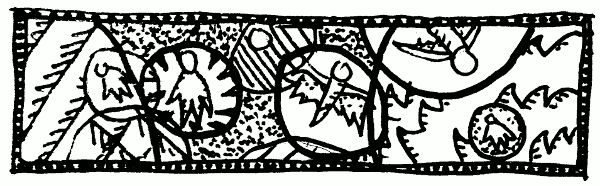
Beginning the communication is as simple as setting the intention to allow and invite communication with those beings who share the path of realizing divine identity. Communication may be as simple as a clear and quiet voice in one’s inner dialog or as complex as a tutor/student relationship carried on throughout many dreams and meditations. The communicator may be a simple personification of the individual subconscious, the activity of a collective archetype, or one of the infinitely diverse spiritual beings.
Discernment
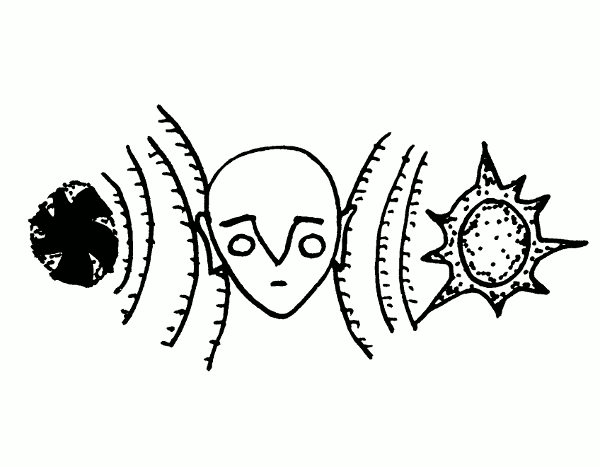
As with physical relationships, one must discern the intention of the other. The energetic body resonates with those who share its intention and diminishes in the presence of contrary energies. However, if one is unacquainted with one’s own energy, it is very difficult to discern the intentions of another. It is extremely important to judge information on its own merits and not give it credence merely because it comes from as spiritual source. It is likewise important to judge any spiritual interaction on its effect on the various vehicles and development as a whole.
Metabolism
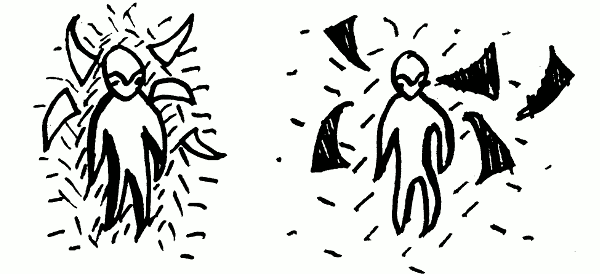
The energetic body consumes and uses energies of various types. It has a metabolism and naturally consumes sufficient energies according to its use. Likewise, it expends energy according to its use. It provides the vitality necessary for both physical and astral actions. Consequently, it is intimately connected to those planes and its metabolism, including its collection of energy, is influenced by daily events and actions. It degrades and depletes in the presence of negativity and sin. When the self is plagued by the consequences of wrong action, its guilt causes energetic depletion and impurity.
Spiritual development requires as much energy as the metabolism can provide. Depleted and impure energies will obviously slow or prevent any development. The individual must stop the cause of wrong action, then purify and restore the lost energy. If the action is not stopped, purification activity is in vain.
| , |
Purification
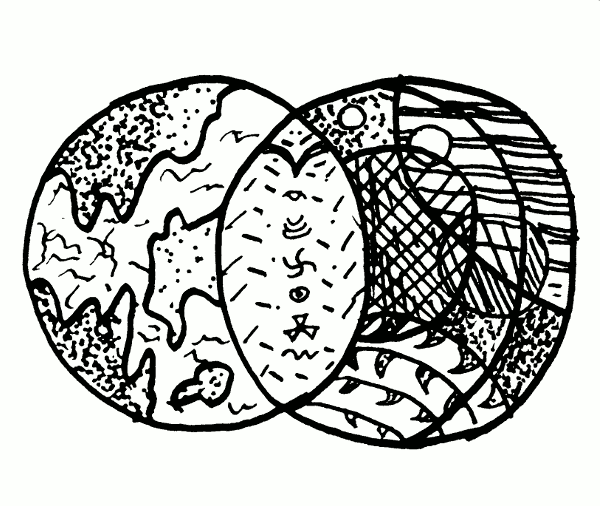
There are many ways to purify and restore energy. The simplest is an exercise with the breath, which may be performed in the concentration mediation or in everyday activity. One imagines that clean, white, vital energy enters the body with the in breath and spreads through out. The clean energy displaces the dark, Impure energies, which are released with the out breath.
Activity
Just as the physical body has exercises and postures that are conducive to spiritual growth, the energetic body has practices and postures. They are performed through meditation or trance, in either laying or siting posture depending on energetic practice.
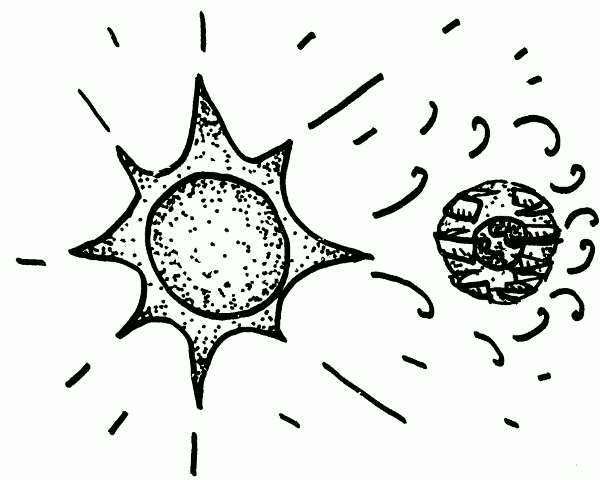
Stimulation
The first practice is the direct stimulation of the energetic body and its organs. The process is analogous to the relaxation exercise before trance, in which one holds each muscle group in attention, flexes it, and then releases. Rather than flexing, simply invite that part of the energetic body toenergy stimulate and become luminous.
Direct perception of the energetic body is difficult at first because it is generally atrophied and acknowledged by culture in a vague, pluralist sense, rather than in its define complexity. One may avoid this difficulty by energetically stimulating parts of the physical body. The energetic body is thereby strengthen because of its intimate relation with the physical and will eventually display its unique organs to perception.
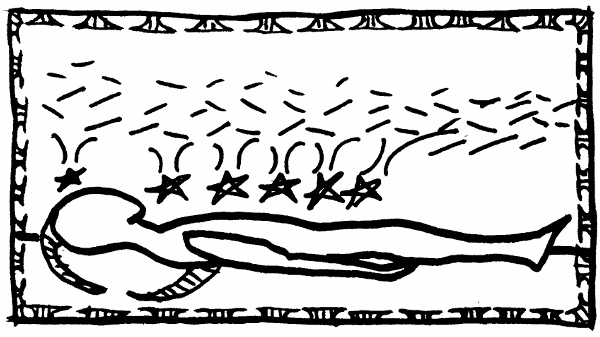
Centering
One may encourage the energetic body to enter into a greater relation with its environment. It may connect directly with the vast systems of the earth and air similar to a tree. This practice purifies the body and the energy around it, while increasing its daily metabolism.
Sit in the meditation pose. Allow the energetic sphere to envelop the body like an egg. Directly stimulate the base chakra, at the tail bone, and give it energy. Imagine that the energy stretches downward until it makes contact with the earth, like the root of a tree. Do the same for the crown chakra, at the top of the head, stretching the energy upward to form the branches. Allow energy to flow through you from the earth and the sky. It will do so as naturally as water is raise to the leaves of a tree.
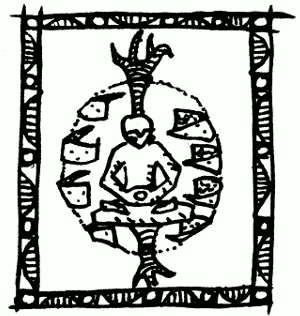
Tree-like Growth
Initially, the tree will be a sapling. Invite it to grow, using the energy stored in the surrounding sphere. Rather, invite the sphere to transform itself through the branching of the tree. Let it follow the natural course of energy. Hold the growth of the tree and its energy transformations as an object of the concentration meditation. It may help to unite the cycle of the breath with its growth and motion.
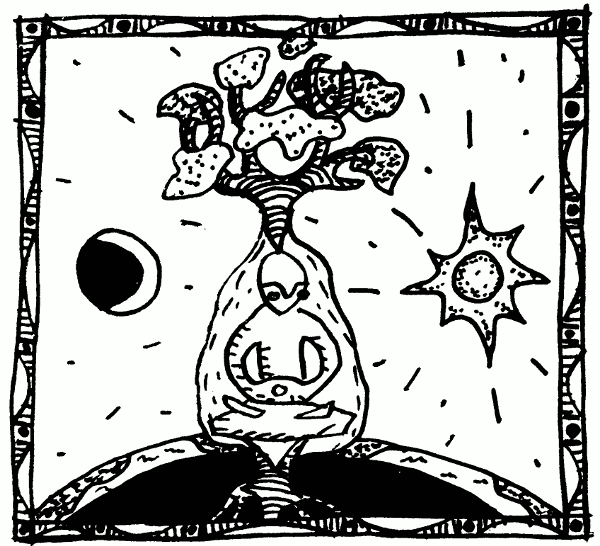
Self for Others
The Buddhists have a unique practice that provides a deep connection with fellow sentient beings and powerfully purifies one’s own energy. The practice is called self for others. It is may easily be performed in seated meditation as well as in the everyday, like the luminous breath practice. It consists in three parts analogous to the breath: the inhale, the holding, and the exhale.
First, call to mind the suffering of another, many, or all sentient beings. Imagine that it rises from their body like black smoke. Decide that you will remove this suffering and the causes of suffering. Inhale the smoke, pulling it from their bodies. They are immensely relieved. The smoke, along with their suffering and its causes, enters your body.
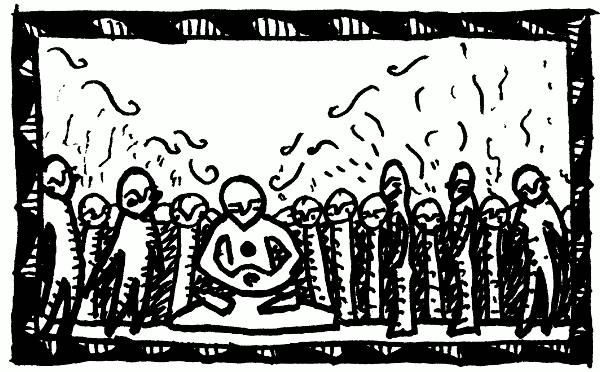
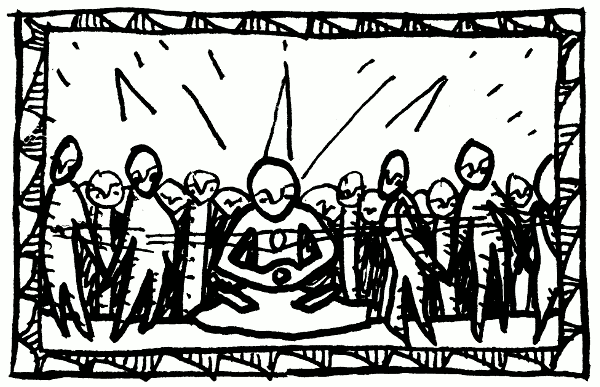
Second, call to mind your self-cherishing heart. Imagine that this limited ego is like a sphere of dark coal in your heart. When the inhale is completed, the smoke and the coal unite. In the single moment that it takes the inhale to become the exhale, imagine that the darknesses annihilate one another in a luminous explosion. Your heart is now the heart of enlightened activity, luminous like the sun.
Third and finally, decide that with your new heart you will provide those beings happiness and its causes. Let the joyous luminosity emanate from your heart and into theirs with you exhale.
Astral Action
Introduction
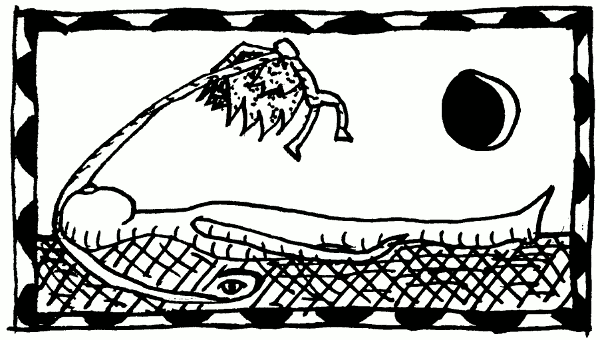
Astral projection occurs when the astral vehicle separates from the physical, much like in particularly clear dreams. The vehicle may enter the astral world at many different levels, of which the astral analog of our physical world is merely one. It will naturally come to rest with the level with which it most resonates, so it is immensely important to charge the vehicle with pure motivation. It is a powerful means of spiritual development and the training utilizes many practices.
The practice is very simple. Lay in trance and induce the astral body to separate through a technique. The techniques vary according to taste. Projection may even be induced by an act of sheer will. However, a technique will utilize the energetic body in a simple and straightforward manner.
Emergence
Vibration
There are two stereotypical sensations or symptoms of the process, which are felt after trance.
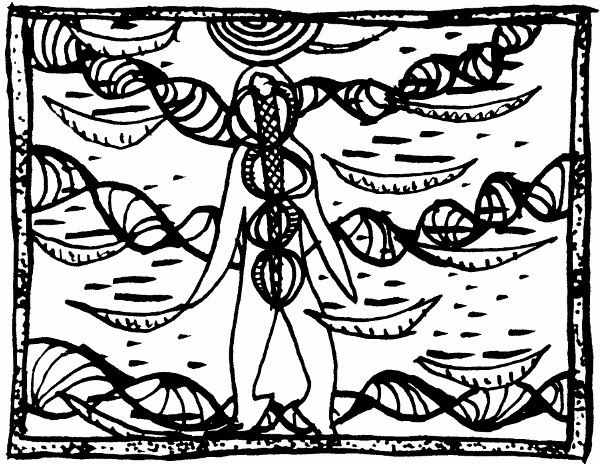
First, vibrations will be felt. The vibrations vary according to individual, but they are always reported to be strong enough to break the trance of those who don’t expect them. There is deep roaring, like at the seaside, and high pitched resonances, like the trills of a phone modem. The vibrations must embrace the totality of vehicles for the process to continue.
Barrier
Second, a passing-through must be felt. This sensation is generally very brief and forgettable, but it may act as a barrier for the beginner. It may be thought of as passing through the space between atoms, over the boundary between the everyday and spiritual worlds, or lifting out of body.
The barrier itself has a certain amount of gravity, such that those inexperienced or fearful will be attracted near it. It is full of droplets of darkness, which are not malevolent, but will attach to the astral vehicle and keep it near the physical body until enough fear builds that the individual will intend to return to the physical. One must put enough pressure on the astral vehicle while in the vibrations in order to propel it through the border. One must either hold a strong motivation or learn energetic techniques. A motivation to enjoy the sensations of separation and freedom of motion is sufficient. One may recognize that one passed through when the vibrations are no longer physically felt, as if one became in tune with the cosmic sways and now lacks a distinct point of reference by which to measure their magnitude.
Techniques
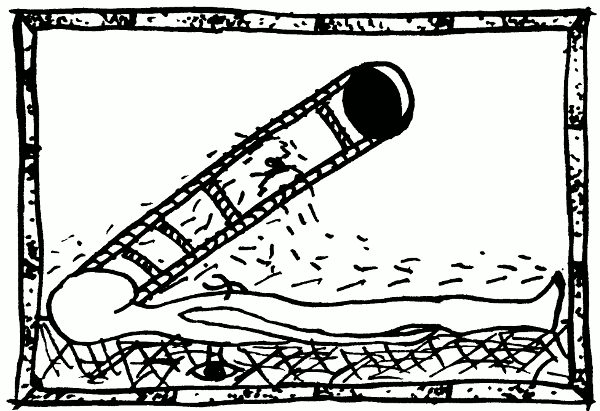
Any technique may be employed after trance to induce the vibrational state and propel the astral vehicle to pass through. Both the vibrations and projection will naturally occur in the proper conditions, the trick is to identify those conditions. Some imagine that they are floating above their body and that they desire actually do it. Some stimulate the chakras and imagine that the crown or third eye opens and then they pass through it. Some imagine pulling themselves out with their arms. The entire process may take upwards to 30 minutes, which feels immensely long. One must be patient and use concentration to maintain both a strong intention and the imagination exercise.
Memory
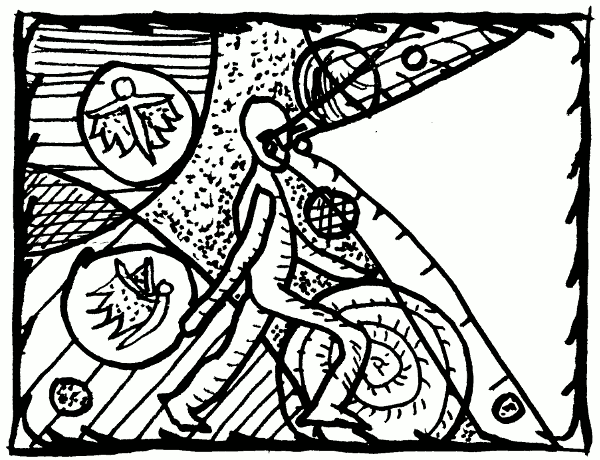
The final step is reintegration of memories of projection. Cognition of astral activity does not use the everyday brain patterns associated with physical experience. The same challenges face astral projection memory as dream memory. It is the reason why projection seems unfamiliar or esoteric. There are a variety of solutions such as setting intention, encoding experience into a story pattern, or expressing it in a journal.
Dreaming
Lucid
Dreaming is the naturally occurring arena of energetic and astral activity. The energetic body naturally expands and performs metabolism. The astral vehicle naturally separates and enters the astral plane at its resonant level. Dream experience is naturally integrated with subconscious memory.
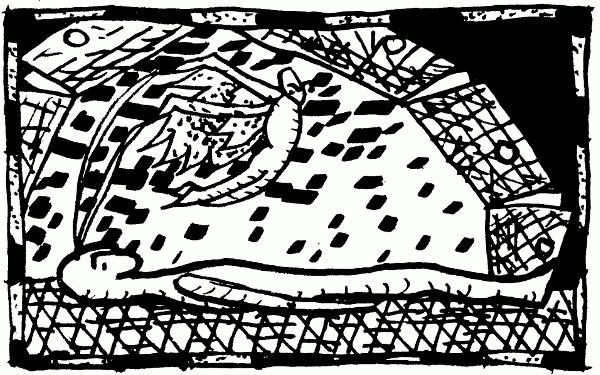
Becoming conscious or lucid in a dream is an excellent means to utilize the astral vehicle for conscious development. However, it is also a powerful means to manifest in experience unfulfilled desires both subconscious and conscious. The experience will be developmental in proportion to the purity of motivation.
Practical
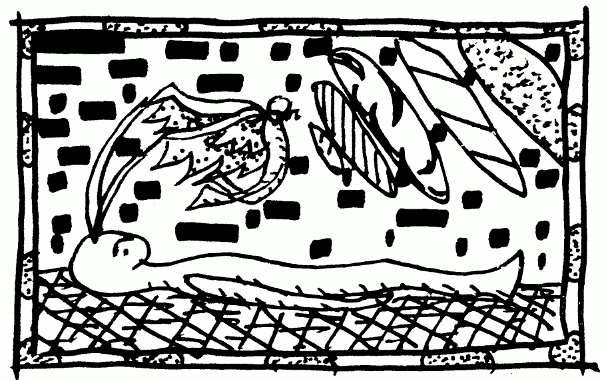
A slower path may be taken in the dreamworld, in which the dreamer’s ability and purity of intention may grow side by side. I call these means practical dreaming. One simply awakens to the fact that real spiritual activity can occurs in dreams and consciously invites an interaction with the greater spiritual community for the realization of divine identity in self and others, while resolving integrate the dream memories with the consciousness. It allows the subconscious mind to guide the development of the conscious self and moderate spiritual development and paryouticipation. Practical dreaming has three steps: intellectual openness to reality of dreams, energetic intention, and memory reintegration.
Intellectual Action
One must intellectually accept that dreams may be real events in the greater spiritual world and not just subjective motions isolated within an individual mind. Acceptance is difficult because many dreams are obviously isolated fantasy. Realize that science has not yet provide a complete theory of dreams. Acknowledge that precognitive and telepathic dreams do occur. Observe the quality and depth of your own dreams. Notice any physical or energetic symptoms of particularly clear, meaningful, or long dreams such as a sense of reality, directly waking up into the physical body, or transformation from a fantasy dream. Eventually, the intellect with acknowledge the possibility and will allow spiritual dreams to emerge as phenomena in perception.
Invitation to Community
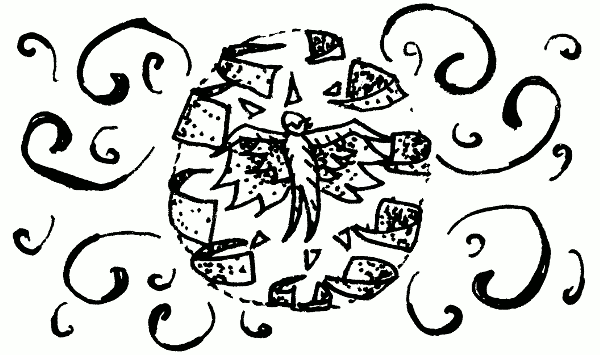
One must invite spiritual development and community to occur through the dreams. Otherwise, the natural energetic boundary will isolate the dreamer. The invitation must be tied to purity of motivation. It must be an expansion and elaboration of the cosmic processes in the individual, those of divine identification or manifestation of truth, beauty, or compassion. Otherwise, the baser and thoughtless desires may cause the astral vehicle to resonate with the lower realms and their inhabitants.
Memory
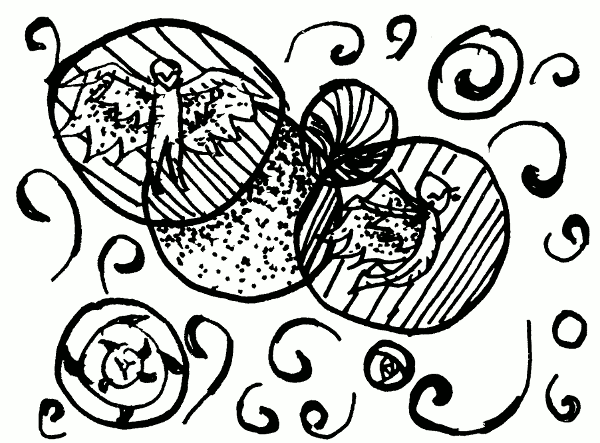
Finally, the dream memories must be reintegrated into the everyday consciousness. It helps to recall that every dream may be a greater spiritual occurrence. One may keep a journal or spend the first few waking minutes reliving the dream. Sometimes a dream is so exotic or powerful that it must filter through the subconscious before it reaches consciousness. The subconscious may overlay fantasy-like images and story-lines over the events, which must be then analyzed. It may feed the dream piecemeal to the everyday consciousness through images, deja-vu, intuitions, and so on. A simple awareness of this possibility and the desire to hear such messages will eventually unfold the dreams.
Epilogue
The limitation of experience, which is ignorance, is the cause of suffering.
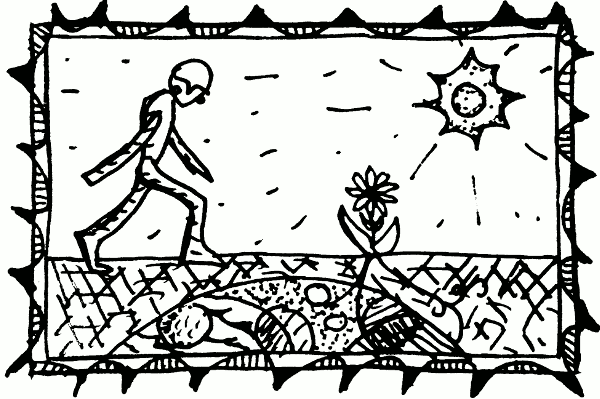
The world is a prison of self for one in the prison of self.
The world will starve to death in the prison of self.
The self will starve to death in the prison of self.
Our true nature is our freedom.
Perception only admits emerged phenomena, but true experience is emergent.
We will emerge from our prison and become the world.
We are more than we appear.
We are divinity.
We are.